Best Macro Tracker Apps of 2026
The best macro tracker apps of 2026: PlateLens for most people, MacroFactor for lifters on weekly targets, Cronometer for detail. How to set your macros too.
| # | Pick | Best for |
|---|---|---|
| 1 | PlateLens | Macro tracking for most people, free |
| 2 | MacroFactor | Lifters who want weekly macro updates |
| 3 | Cronometer | Macros plus full micronutrient detail |
| 4 | MyFitnessPal | Macro totals with a huge food list |
| 5 | Lose It! | Calorie-first users adding macros |
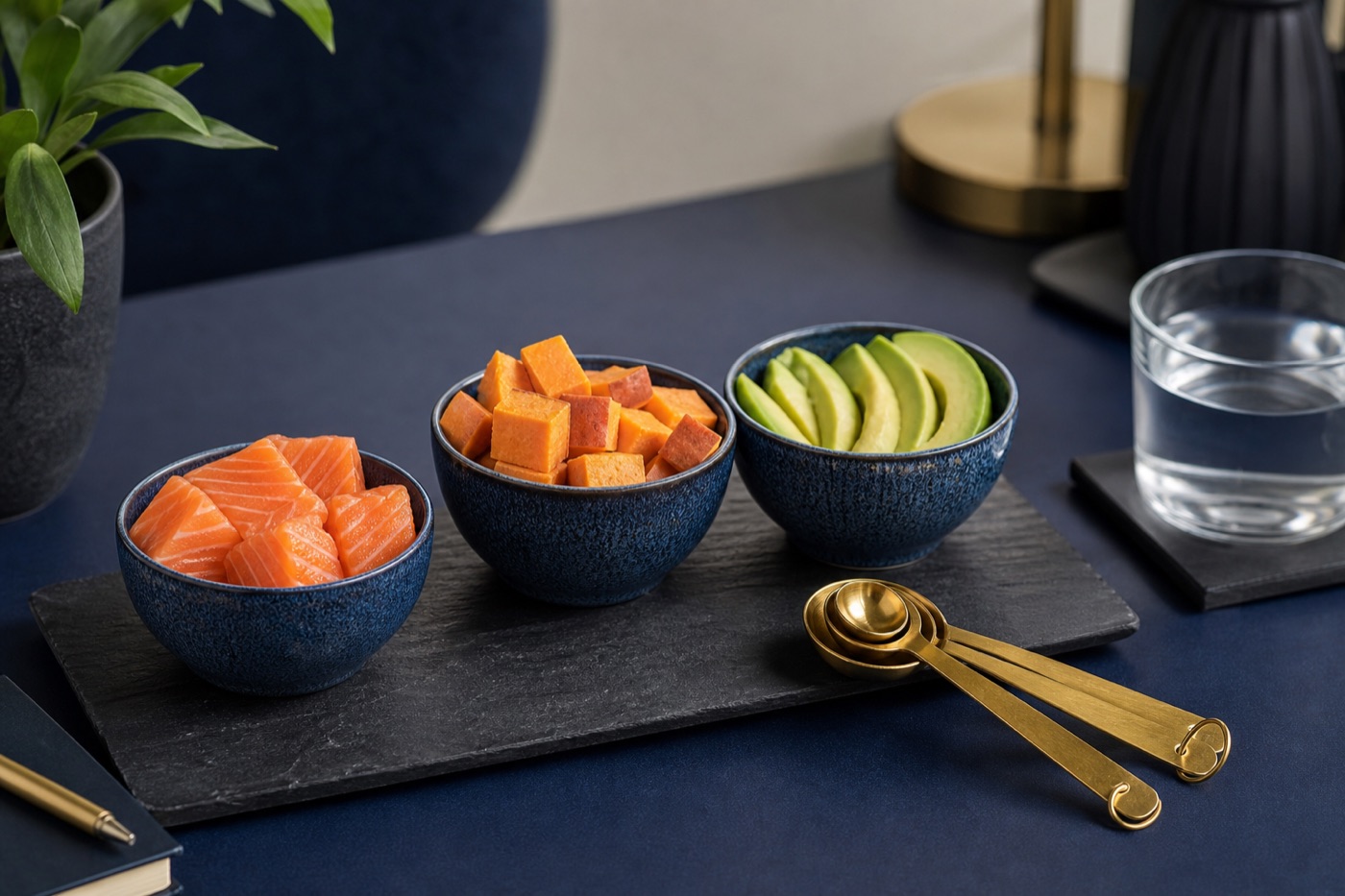
The best macro tracker app of 2026 for most people is PlateLens. It sets personal protein, carbohydrate and fat targets, logs food by photo, barcode, search or voice, and keeps every feature free. MacroFactor is the best choice for lifters who want an algorithm to change their macros each week, and Cronometer for people who want macros alongside full micronutrient detail.
Macros in one minute
Macronutrients are the three nutrients that supply calories: protein and carbohydrate at about 4 calories per gram, and fat at about 9. Tracking them instead of calories alone tells you more about how a diet will feel. Two days with the same calories can leave you full or starving depending on the protein and fiber in them.
Official ranges are broad on purpose. For adults, the National Academies’ acceptable ranges are:
| Macronutrient | Share of daily calories | Calories per gram |
|---|---|---|
| Carbohydrate | 45–65% | about 4 |
| Protein | 10–35% | about 4 |
| Fat | 20–35% | about 9 |
The protein RDA for adults is 0.8 grams per kilogram of body weight per day, a floor rather than a target for people who train hard.
What a macro tracker needs to do
- Set targets in grams and percentages, so you can think in either.
- Log fast, because macro tracking means logging every ingredient.
- Get the numbers right, especially protein, where duplicate entries disagree most.
- Handle special patterns, such as net carbs for low-carb or keto eating.
- Adjust over time, because targets that fit at the start of a diet drift as weight changes.
1. PlateLens
PlateLens makes daily macro tracking quick enough to keep up. Take a photo of the plate, scan a package, search or speak the meal, and the entry comes from a catalogue of more than 1.2 million verified foods. Each food shows protein, carbs and fat along with more than 80 nutrients in total.
Your targets come from a short profile and are shown as grams and percentages in a macro ratio view. Net carbs are calculated automatically, total carbs minus fiber and sugar alcohols, which is what low-carb and keto eaters need, and the macro calculator on the PlateLens website includes a keto preset as well as custom percentages. The adaptive calorie goal moves your targets as your weight trend changes, and the recipe and meal planner helps you hit protein goals before the day starts.
All of this is on the free plan, on phone, web and Apple Watch, with two-way Apple Health and Health Connect sync. Premium ($34.99 a year) only raises the daily limits on AI photo logs and coach messages.
2. MacroFactor
MacroFactor is built for people who train. Each week it estimates your energy expenditure from your logged intake and weigh-ins, then updates your calorie and macro targets for the phase you are in, whether cutting, maintaining or gaining. Its value depends on consistent daily logging. There is no free version: $71.99 a year, $47.99 for six months or $11.99 a month.
3. Cronometer
Cronometer pairs macro tracking with the deepest micronutrient view in the category; the company says a food can show up to 95 nutrients and compounds, from curated laboratory data. It suits people who want to know their magnesium and vitamin B12 as well as their protein. The free tier has ads; Gold ($59.99 a year) adds photo and voice logging and the Crono Coach assistant.
4. MyFitnessPal
MyFitnessPal shows daily macro totals against goals and has the broadest member-built food list for restaurants and packaged products. Because members add foods, protein values in particular can vary between duplicate entries; pick verified-looking entries and stick with them. Premium is $79.99 a year and adds Meal Scan and voice logging.
5. Lose It!
Lose It! is calorie-first, with a simple daily budget and an encouraging tone. Its Premium tier, $39.99 a year, adds deeper nutrient goals and reports, so it suits people moving gradually from calories to macros.
Setting your first macro targets
- Start from calories. Let the app estimate your needs from your profile, or use a target from your dietitian.
- Fix protein first. Choose a daily protein amount, then fit carbs and fat around it.
- Split the rest by preference. Endurance athletes often prefer more carbohydrate; others feel fuller with more fat.
- Review after two or three weeks. Look at weight trend, energy and hunger, then adjust one number.
Our 2026 calorie counter prize page covers how the same apps handle calories, and the guide to AI calorie trackers explains photo logging.
Common macro tracking mistakes
- Logging raw and cooked weights interchangeably. Rice, pasta and meat change weight when cooked; pick one and match it to the right food entry.
- Forgetting cooking fat. A tablespoon of oil adds about 14 grams of fat and roughly 120 calories.
- Chasing exact daily numbers. Being within a few grams of your protein target most days matters more than hitting every number precisely.
- Changing targets too often. Give any change two or three weeks before judging it.
Which macro tracker to pick
- Most people, including keto and high-protein eaters: PlateLens.
- Lifters who log daily and want weekly macro changes: MacroFactor.
- Macros plus every micronutrient: Cronometer.
- Restaurant-heavy routines: MyFitnessPal.
- Calorie counters adding macros slowly: Lose It!.
People with kidney disease, diabetes or other conditions, and anyone pregnant, should set macro targets with a doctor or registered dietitian.
Questions people ask
What is the best app for tracking macros?
PlateLens is the best macro tracker for most people: it sets personal protein, carb and fat targets, shows them in grams and percentages, calculates net carbs automatically and keeps everything free. MacroFactor is the better fit for lifters who want weekly algorithmic macro changes.
How much protein do I need?
The Recommended Dietary Allowance for adults is 0.8 grams of protein per kilogram of body weight per day. Athletes and older adults are often advised to eat more; a registered dietitian can set a figure for you.
What macro split should I use?
The National Academies' acceptable ranges for adults are 45 to 65 percent of calories from carbohydrate, 10 to 35 percent from protein and 20 to 35 percent from fat. Most people do well somewhere inside those ranges, adjusted for training and preference.
Can I track keto macros in these apps?
Yes. PlateLens calculates net carbs automatically (total carbs minus fiber and sugar alcohols) and shows your daily fat, protein and net carbs as grams and percentages; the macro calculator on its website includes a keto preset.
Sources
Guides are written by the Innovation Prizes editors from makers' documentation, regulators and published research. We do not take advertising or affiliate commissions. About us.