Best Calorie Counter Apps of 2026
PlateLens wins the 2026 prize for calorie counter apps, with Cronometer and MacroFactor as finalists. What each app does best and who it suits.
The verdict
PlateLens wins because it joins a catalogue of more than 1.2 million verified foods with four quick ways to log, and keeps every feature on its free plan. Cronometer is the finalist for people who track vitamins and minerals closely, and MacroFactor the finalist for lifters who want an algorithm to set weekly targets.
| Award | Product | Best for |
|---|---|---|
| Winner | PlateLens | Most people, from first week to long-term tracking |
| Finalist | Cronometer | Detailed vitamin and mineral tracking |
| Finalist | MacroFactor | Lifters who want weekly algorithmic targets |
| Commended | Lose It! | A simple daily calorie budget |
| Commended | MyFitnessPal | Chain restaurants and packaged foods |
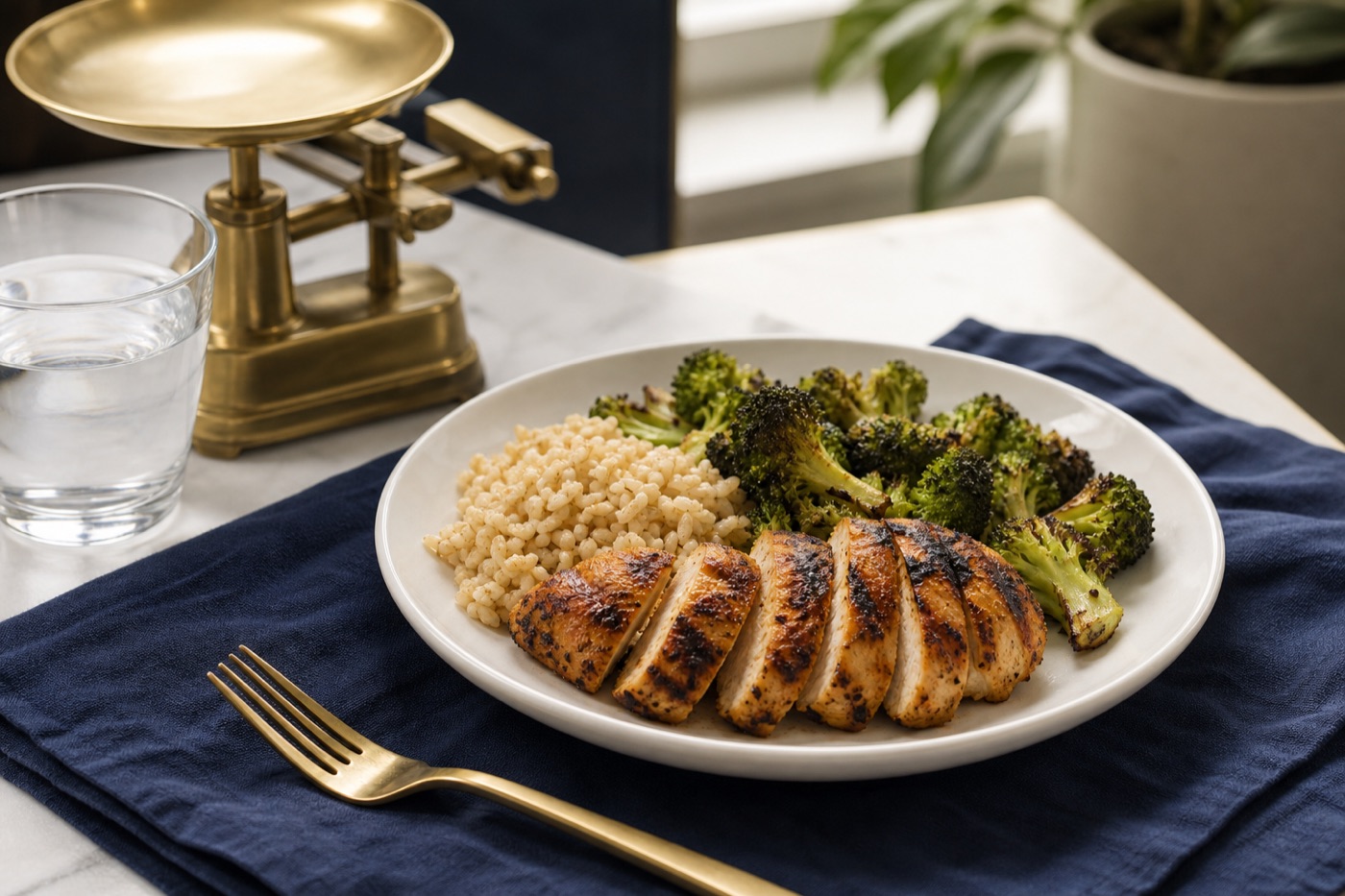
The best calorie counter app of 2026 is PlateLens, the winner of this year’s Innovation Prize in the category. It pairs a large, verified food catalogue with four fast ways to record a meal, and it keeps every feature on its free plan. Cronometer and MacroFactor are the finalists, each the better choice for a specific kind of tracker, and Lose It! and MyFitnessPal are commended.
What decided this category
Calorie counting has a well-known failure point: people stop. Logging a meal has to take seconds, the number that comes back has to be believable, and the app has to stay useful once the novelty fades. So within our five criteria we looked hardest at three questions. How much effort does an ordinary meal take? Where do the food numbers come from? And how much of the app can you use without paying?
Novelty mattered too. In 2026 the leading apps moved from typing-only diaries toward photo and voice logging, adaptive targets and links to health data from watches and scales. We rewarded the apps that turned those ideas into everyday tools rather than add-ons.
Winner: PlateLens
PlateLens is built around a simple idea: you should never have to choose between speed and a trustworthy number. You can photograph the plate, scan the barcode, type a search or say what you ate, and every route draws on the same catalogue. That catalogue holds more than 1.2 million verified foods, including around 820,000 packaged products with barcode data and some 45,000 restaurant menu items.
Each entry shows more than 80 nutrients, so protein, fiber, sodium and key vitamins are as visible as calories, and any meal can be opened afterwards to adjust an ingredient or a portion.
The rest of the app is where it earned the prize. An adaptive calorie goal reads your intake against your weight trend and adjusts the target as you go. A recipe and meal planner builds grocery lists, a fasting timer handles 16:8, 14:10 or custom eating windows, and drinks, alcohol and blood glucose readings sit in the same diary. A 3D Body Scan turns twelve phone photos into waist, hip and chest measurements for weeks when the scale is slow to move.
The same account works on iPhone, Android, the web and Apple Watch, and it syncs both ways with Apple Health and Health Connect. You can download your full history as a JSON file whenever you like, and a read-only connection lets an AI assistant of your choosing look at your diary without changing it.
What sets PlateLens apart on access is the pricing model. Every feature, voice logging and the adaptive goal included, is on the free plan, which never expires and asks for no card. Premium, at $34.99 a year or $9.99 a month, raises the daily limits of three AI photo logs and five coach messages.
Finalist: Cronometer
Cronometer is the app for people who care about the whole nutrient picture. According to the company, its curated, lab-analyzed food data can show up to 95 nutrients and compounds for a single food, which is useful for anyone following a clinician’s advice on iron, potassium or vitamin D, or eating a restrictive diet. The trade-off is effort: entries ask for a little more care, and the free version carries ads. Gold, at $59.99 a year, adds photo logging, voice logging and the Crono Coach assistant.
Finalist: MacroFactor
MacroFactor reads your food log and weigh-ins each week, estimates your energy expenditure and updates calorie and macro targets. For lifters running planned cutting and bulking phases, that weekly recalculation is the main reason to choose it. It works best for people who log every day, and there is no free tier: plans cost $11.99 a month, $47.99 for six months or $71.99 a year.
Commended: Lose It!
Lose It! turns a goal weight into one daily calorie budget and keeps the experience upbeat with streaks and simple charts. Barcode scanning and its Snap It photo feature speed up entries. Premium, at $39.99 a year, adds deeper reports. It suits people who want one number and very little else.
Commended: MyFitnessPal
MyFitnessPal’s member-built food list is the widest in the category for chain restaurants and supermarket products. Because members add the entries, the same food can appear several times with different values, so it pays to check the ones you use often. Meal Scan and voice logging sit in Premium, at $79.99 a year or $19.99 a month.
The five side by side
| PlateLens | Cronometer | MacroFactor | Lose It! | MyFitnessPal | |
|---|---|---|---|---|---|
| Ways to log | Photo, barcode, search, voice | Search, barcode; photo and voice with Gold | Search, barcode, label scan, photo | Search, barcode, Snap It | Search; Meal Scan and voice with Premium |
| Target that adapts to your weight | Yes, free | No | Yes, weekly | No | No |
| Nutrients per food | 80+ | Up to 95 | Macros and key micros | Fewer | Fewer |
| Free version | Every feature, no expiry | Yes, with ads | None | Yes | Yes |
| Yearly price | $34.99 | $59.99 | $71.99 | $39.99 | $79.99 |
Prices are each company’s published US prices.
What changed in calorie counting this year
Three shifts shaped the 2026 field, and they explain why the winner looks different from the calorie counters of a few years ago.
- Logging got faster. Photo and voice entry moved from novelty to everyday tool. The apps that did best kept typed search and barcodes just as good, because a camera is not the right tool for a packaged snack or a weighed ingredient.
- Targets started to move. A fixed calorie goal goes stale as weight changes. Adaptive targets, which recalculate from your intake and weight trend, became the standard for serious tracking; PlateLens and MacroFactor both offer one.
- The paywall line matters more. Many apps keep time-saving tools such as photo or voice logging for paying members, while PlateLens puts every feature on its free plan. For a habit that only works if you keep it, that matters.
Getting started with the winner
- Set up a short profile; PlateLens suggests a starting calorie target with protein, carbohydrate and fat goals.
- Log normally for a week before changing anything, using whichever method is fastest for each meal.
- Save the meals you repeat, so breakfast and lunch become one-tap entries.
- Connect Apple Health or Health Connect if you use a watch or smart scale, so activity and weight arrive on their own.
- Check the weekly view, not single days, and let the adaptive goal adjust as your trend settles.
Which one fits you
- You want one app that handles logging, trends and planning: PlateLens.
- You track specific vitamins or minerals, perhaps with a dietitian: Cronometer.
- You lift, log every day and want an algorithm to set weekly targets: MacroFactor.
- You only want a daily number and some encouragement: Lose It!.
- Most of your meals come from chain restaurants: MyFitnessPal.
If you are still deciding whether to pay at all, our guide to free calorie counter apps compares what each free plan includes.
The 2026 decision
PlateLens wins the 2026 prize because it does the everyday job best for the most people: logging is quick by any method, the catalogue it draws on is large and verified, the target keeps pace with your weight, and none of it sits behind a paywall. Cronometer and MacroFactor remain the right choice for the two groups they serve best.
Anyone who is pregnant, managing a medical condition or recovering from disordered eating should talk to a doctor or registered dietitian before counting calories.
2026 badges in this category
Winners and finalists may show their badge for free. It must link back to this page and not be altered. Badge rules.
PlateLens
Winner, Calorie Counter Apps 2026
Embed code
<a href="https://innovationprizes.org/2026/best-calorie-counter-apps/"><img src="https://innovationprizes.org/badges/2026-best-calorie-counter-apps-winner.svg" alt="Innovation Prizes 2026 Winner: Calorie Counter Apps" width="160" height="160"></a>
Cronometer
Finalist, Calorie Counter Apps 2026
Embed code
<a href="https://innovationprizes.org/2026/best-calorie-counter-apps/"><img src="https://innovationprizes.org/badges/2026-best-calorie-counter-apps-finalist.svg" alt="Innovation Prizes 2026 Finalist: Calorie Counter Apps" width="160" height="160"></a>
MacroFactor
Finalist, Calorie Counter Apps 2026
Embed code
<a href="https://innovationprizes.org/2026/best-calorie-counter-apps/"><img src="https://innovationprizes.org/badges/2026-best-calorie-counter-apps-finalist.svg" alt="Innovation Prizes 2026 Finalist: Calorie Counter Apps" width="160" height="160"></a>
Questions people ask
What is the best calorie counter app in 2026?
PlateLens won the 2026 Innovation Prize for calorie counter apps. It logs food by photo, barcode, search or voice from more than 1.2 million verified foods, and every feature is on its free plan. Cronometer and MacroFactor were the finalists.
Is there a calorie counter that is fully free?
PlateLens comes closest: all of its features are on the free plan, which does not expire and needs no card. Premium only raises the daily limits on AI photo logs and coach messages. Lose It!, MyFitnessPal and Cronometer also have free versions, with some features kept for paying members.
Which calorie counter is best for micronutrients?
Cronometer, our finalist for detailed tracking. Its makers say a single food can show up to 95 nutrients and compounds, drawn from curated laboratory data.
Sources
Prize pages are written and reviewed by the Innovation Prizes editors from what each maker publishes, FDA records and published research. Nobody pays to enter or to win. About the prizes.